Maximising Efficiency in Walk-to-Work Vessel Servicing Through Pooling Supply Strategies
Updated: Jan 6
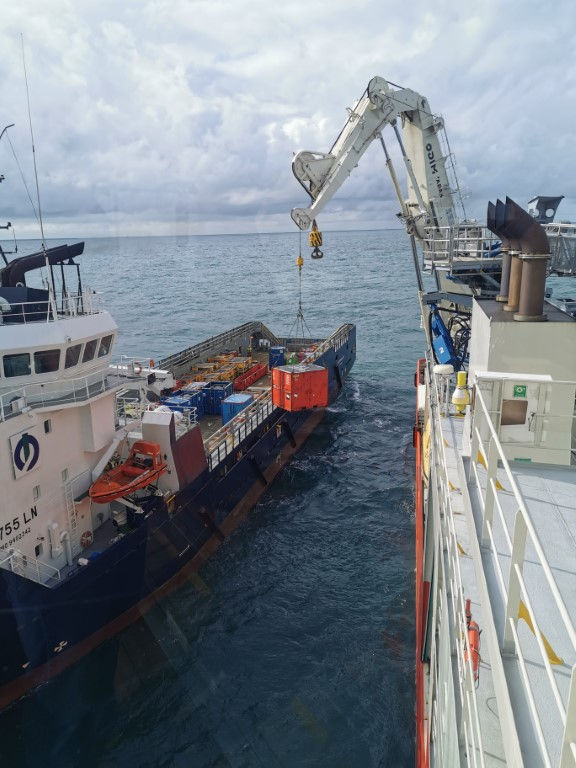
Servicing walk-to-work vessels efficiently remains a critical challenge in offshore operations. These vessels require timely and reliable support to maintain high hands-on-tool time while controlling costs. One approach gaining traction is pooling supply vessels to service walk-to-work vessels. This strategy not only improves operational efficiency but also delivers significant cost savings. This post explores how sharing resources and combining vessel types through pooling supply vessels can transform walk-to-work vessel servicing, supported by practical examples and insights into ALNS heuristics for route optimisation.

Challenges in Servicing Walk-to-Work Vessels
Walk-to-work vessels are essential for transferring personnel safely to offshore platforms. Their servicing demands precise timing and coordination to avoid downtime. Traditionally, each walk-to-work vessel returns to port regularly to replenish stores, bunkers, personnel and mobilise for new assignments, which can lead to inefficiencies such as:
Underutilised vessel capacity, shortage of resources
Lack of skilled personnel
Increased operational costs due to idle time
Complex scheduling and routing challenges
Higher fuel consumption and emissions
These challenges highlight the need for a more integrated approach to vessel servicing.
How Pooling Supply Vessels Improves Efficiency
Pooling supply vessels means sharing resources across multiple walk-to-work vessels rather than letting W2W vessels return to port or assigning one supply vessel per walk-to-work vessel. This approach offers several benefits:
Increased hands-on-tool time: By combining vessel types and sharing resources, supply vessels spend more time actively supporting walk-to-work vessels rather than waiting or travelling empty.
Conduct vessel workability analyses regarding meteorological circumstances and vessel motion.
Cost reductions: Pooling reduces the number of vessels required, lowering fuel costs, crew expenses, and maintenance.
Improved scheduling: Coordinated routing allows supply vessels to service multiple walk-to-work vessels in a single trip, reducing transit times.
Flexibility: Pooling enables dynamic allocation of vessels based on demand, improving responsiveness to operational changes.
For example, an offshore operator servicing three walk-to-work vessels with dedicated supply vessels might reduce the fleet to two pooled supply vessels. These vessels alternate servicing duties, optimising routes and schedules to maintain or increase hands-on-tool time.
Role of ALNS Heuristics in Pooling Strategies
Advanced optimisation techniques like Adaptive Large Neighbourhood Search (ALNS) heuristics play a key role in managing the complexity of pooling supply vessels. ALNS heuristics help find near-optimal routing and scheduling solutions by:
Exploring large solution spaces efficiently
Adapting (greedy) search strategies based on solution quality
Handling multiple constraints such as vessel capacity, timing windows, and operational priorities
Using ALNS heuristics, operators can generate schedules that maximise vessel utilisation and minimise transit times. This leads to more effective sharing of resources and better coordination between walk-to-work and supply vessels.
Practical Steps to Implement Pooling Supply Vessels
Implementing a pooling strategy requires careful planning and execution. Here are key steps to consider:
Assess vessel compatibility: Identify supply vessels that can service multiple walk-to-work vessels based on size, speed, and equipment.
Conduct vessel workability analyses considering meteorological conditions and vessel capabilities.
Analyse operational demand: Understand the servicing needs and timing of each walk-to-work vessel.
Develop routing models: Use ALNS heuristics or similar optimisation tools to create efficient service schedules.
Pilot pooling operations: Start with a limited number of vessels and routes to test the approach.
Monitor and adjust: Track performance metrics such as hands-on-tool time, fuel consumption, and costs to refine the strategy.
By following these steps, operators can gradually transition to pooling supply vessels, realising efficiency gains without disrupting ongoing operations.

Benefits Beyond Cost Savings
Pooling supply vessels offers advantages beyond direct cost reductions:
Environmental impact: Fewer vessels operating means lower fuel consumption and emissions, supporting sustainability goals.
Operational resilience: Sharing resources creates redundancy, allowing quick adjustments if a vessel becomes unavailable.
Improved asset utilisation: Combining vessel types ensures assets are used more effectively, extending their service life.
Enhanced safety: Coordinated scheduling reduces congestion and risks during vessel transfers.
These benefits contribute to a more sustainable and reliable offshore operation.

Final Thoughts on Pooling Supply Vessels for Walk-to-Work Servicing
Pooling supply vessels by sharing resources and combining vessel types offers a clear path to higher hands-on-tool time and significant cost reductions in walk-to-work vessel servicing. The use of ALNS heuristics enables operators to optimise complex schedules and routes, unlocking the full potential of this approach.

Comments